Nasal Polyps Treatment in Noida
Nasal polyp management begins with targeted medical therapy to shrink polyps and reduce inflammation, with endoscopic surgical removal considered when medications do not restore nasal airflow.
What are nasal polyps & common symptoms
Nasal polyps are soft, non-cancerous, sac-like growths that develop on the inflamed lining of the nasal passages or paranasal sinuses. They frequently occur in association with chronic sinusitis, allergic rhinitis, asthma, or recurring nasal inflammation.
Common symptoms caused by nasal polyps include:
- Persistent nasal blockage or congestion affecting both nostrils
- Marked reduction or total loss of sense of smell and taste
- Chronic post-nasal drip and frequent throat clearing
- Facial pressure, heaviness, and chronic sinus congestion
- Persistent mouth breathing, snoring, and nighttime sleep disruption
Medical management first: sprays & medications
Medical management is always the primary first-line treatment for nasal polyps. Non-surgical medical therapy aims to reduce inflammation, decrease polyp size, and clear the nasal airway.
Standard medical treatments include:
- Topical Corticosteroid Nasal Sprays: Regular use of prescribed nasal steroid sprays helps shrink polyps and reduce mucosal edema.
- Nasal Saline Irrigations: Daily high-volume saline washes clean out mucus, allergens, and inflammatory debris from the nasal lining.
- Targeted Medical Therapy: Short courses of oral corticosteroids or anti-inflammatory medications may be prescribed for moderate to severe polyps to achieve initial shrinkage.
- Allergy Control: Antihistamines and allergen avoidance advice reduce inflammatory flare-ups in allergic patients.
When surgery is considered & how endoscopic polypectomy works
Surgical intervention is evaluated when medical therapy fails to shrink the polyps, or when severe nasal obstruction continues to impair breathing, sleep, and quality of life.
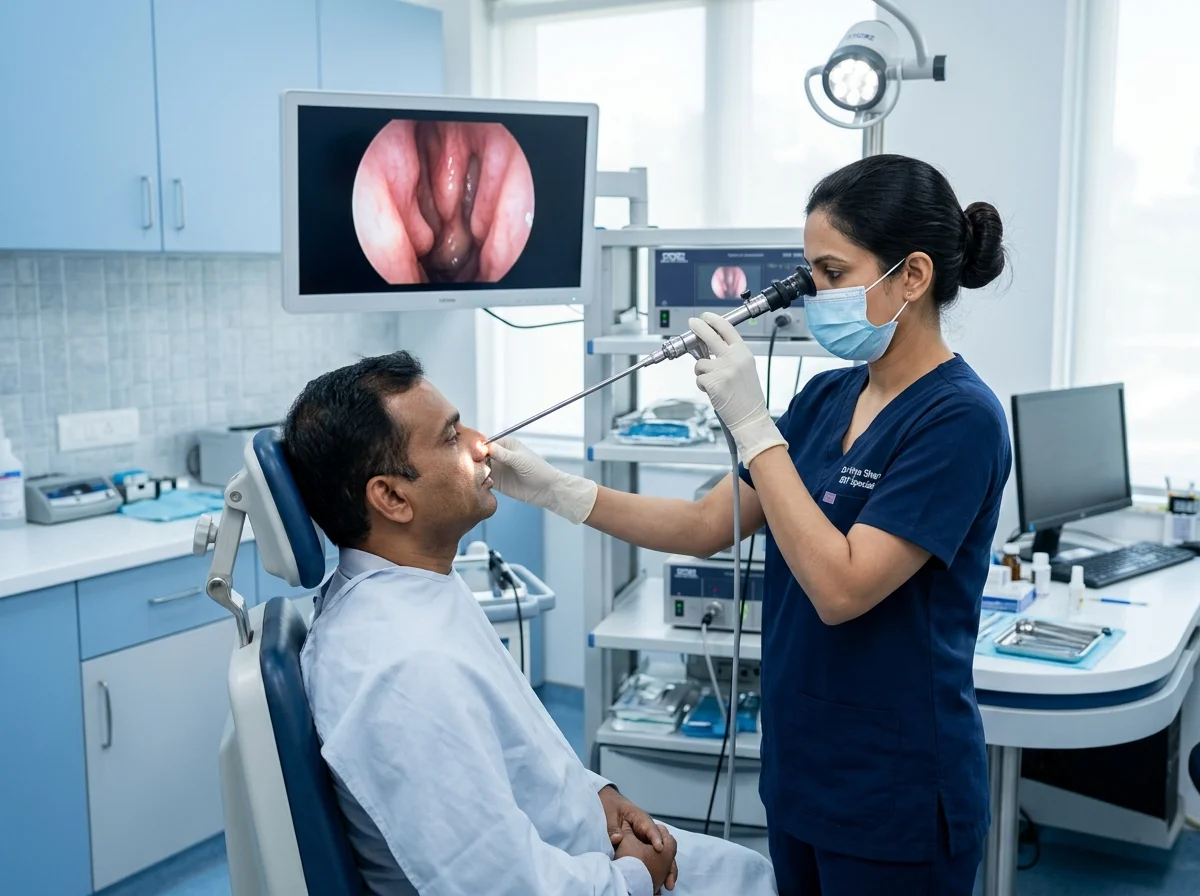
Surgical removal — known as Endoscopic Polypectomy or Functional Endoscopic Sinus Surgery (FESS) — is performed entirely through the nostrils under high-definition camera visualization. Using specialized micro-debriders and micro-instruments, the surgeon precisely removes polyps and opens obstructed sinus pathways while preserving healthy surrounding tissue.
Post-treatment maintenance & preventing recurrence
Because polyps stem from underlying mucosal inflammation, long-term post-treatment maintenance helps prevent recurrence:
- Continue daily nasal saline irrigations as prescribed by your doctor
- Maintain long-term maintenance corticosteroid nasal sprays as advised
- Follow up regularly for endoscopic check-ups to monitor mucosal health
When to consult an ENT specialist
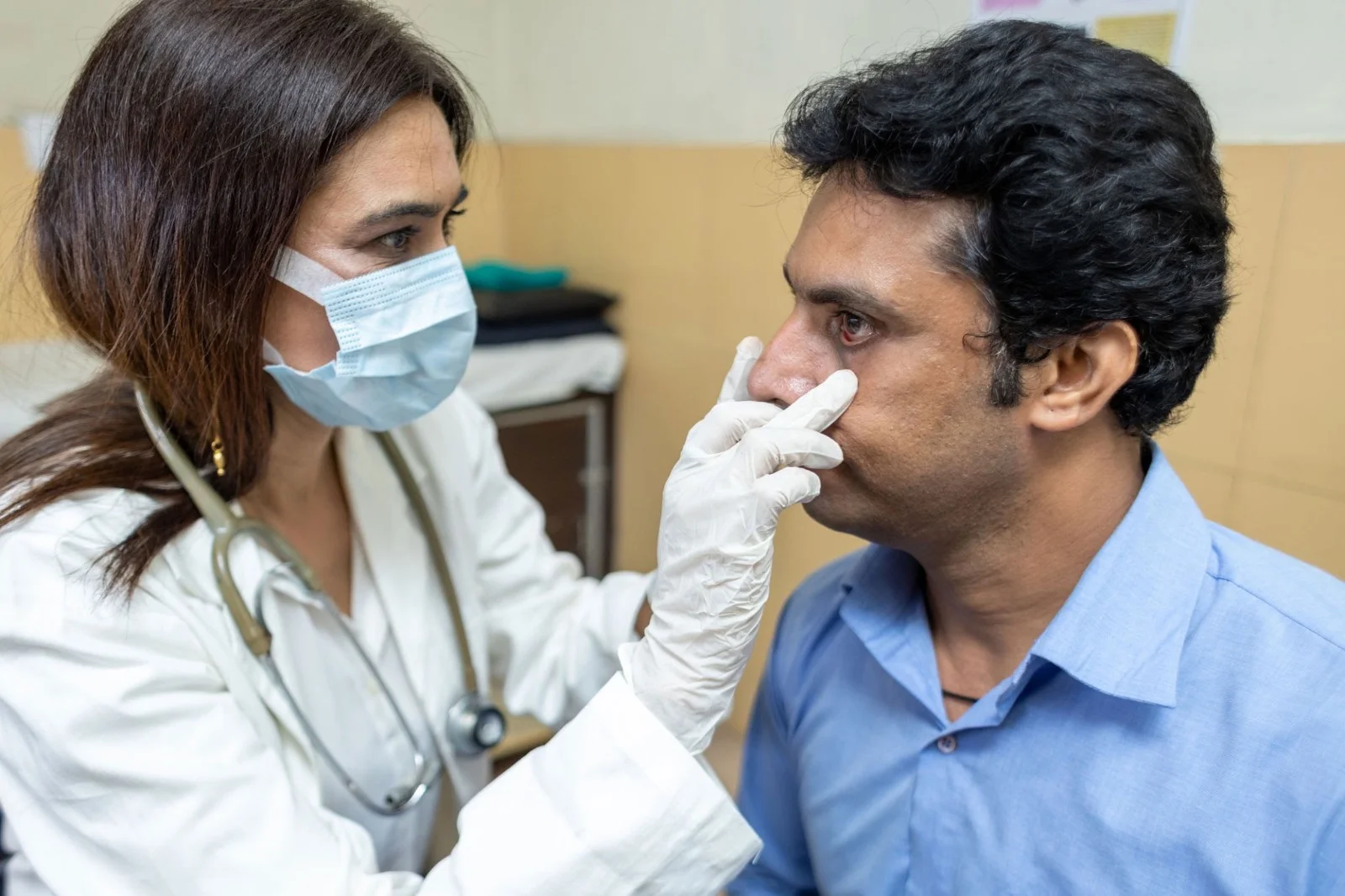
If you experience persistent nasal blockage, ongoing loss of smell, or sinus congestion that does not respond to standard over-the-counter decongestants, an ENT consultation and diagnostic nasal endoscopy can provide an accurate diagnosis.
Frequently Asked Questions
Are nasal polyps cancerous?
No. Nasal polyps are benign (non-cancerous), soft, tear-shaped growths that develop on the lining of the nasal passages or sinus cavities as a result of chronic inflammation, allergies, or asthma.
Can nasal polyps be treated with medication alone without surgery?
Yes. Medical management is always the primary first-line treatment for nasal polyps. Targeted corticosteroid nasal sprays, saline irrigations, and allergy management can shrink small to moderate polyps and restore breathing. Surgery is reserved for cases where polyps fail to respond to medication.
Will my sense of smell return after nasal polyp treatment?
As polyps shrink or are removed, airflow to the olfactory region at the roof of the nasal cavity is restored, leading to significant improvement or recovery in smell for many patients.
What is the hospital admission process and procedure cost?
Hospital admission details, surgical stay options, room selection, and procedure estimates are discussed during consultation after diagnostic endoscopy and imaging evaluation.
Consult Dr. Mitva Agarwal for nasal polyps & sinus evaluation
📅 Book Appointment 📞 Call Now 💬 WhatsApp 📍 DirectionsSame-day consultations usually available — Mon through Sun.