Eardrum Repair (Tympanoplasty) in Noida
Tympanoplasty is a precision microsurgical procedure to repair a perforated eardrum (tympanic membrane) to restore hearing and prevent recurring middle ear infections.

Symptoms of a perforated eardrum & chronic ear discharge
The eardrum (tympanic membrane) is a thin membrane that separates the ear canal from the delicate middle ear space. It vibrates in response to sound waves and acts as a physical barrier preventing bacteria and water from entering the middle ear cavity.
Common symptoms of eardrum perforation include:
- Recurrent or persistent ear discharge (otorrhea), especially after getting water in the ear
- Conductive hearing loss or a feeling of muffling in the affected ear
- Tinnitus (ringing or buzzing in the ear)
- Ear earaches during active infection flare-ups
- Whistling sound during forceful nose blowing
Conservative management & ear care before surgery
Small traumatic eardrum tears caused by sudden pressure changes or superficial injury may sometimes heal spontaneously if kept strictly dry and protected from infection.
Non-surgical care includes:
- Prescription antibiotic ear drops to resolve active middle ear infections before surgical evaluation
- Strict dry ear precautions (using custom ear plugs or cotton with vaseline during showers)
- Treatment of underlying nasal allergies or Eustachian tube dysfunction
Surgery is recommended when an eardrum perforation fails to close over 2 to 3 months, or when chronic ear discharge and hearing loss persist.
How tympanoplasty is performed & myringotomy with grommets
Tympanoplasty is performed under microscopic or endoscopic visualization. The surgeon carefully lifts the remaining eardrum edges and places a delicate tissue graft (often taken from the temporalis fascia behind the ear canal or tragal cartilage) beneath the perforation. This graft acts as a scaffold across which natural membrane cells grow to seal the hole.
Myringotomy and Grommet Insertion in Children & Adults
A related middle ear procedure is Myringotomy with Grommet (ear tube) insertion, which is very common in children suffering from glue ear (otitis media with effusion) or recurrent acute ear infections.
Unlike tympanoplasty (which closes a hole), myringotomy involves making a tiny, microscopic incision in an intact eardrum to suction out thick fluid trapped in the middle ear. A microscopic ventilation tube (grommet) is inserted into the incision to maintain air pressure and prevent fluid re-accumulation. Grommets typically shed naturally after 6 to 12 months as the eardrum heals.
Recovery, graft healing & dry ear care
Protecting the ear during the post-operative healing phase ensures high graft take rates:
- Keep Ear Dry: Water must not enter the ear canal until the surgeon confirms complete graft healing at follow-up.
- Avoid Pressure Changes: Avoid heavy nose blowing, air travel, and nose pinching for 4 to 6 weeks.
- Absorbable Packing: Absorbable packing placed in the ear canal dissolves gradually over a few weeks.
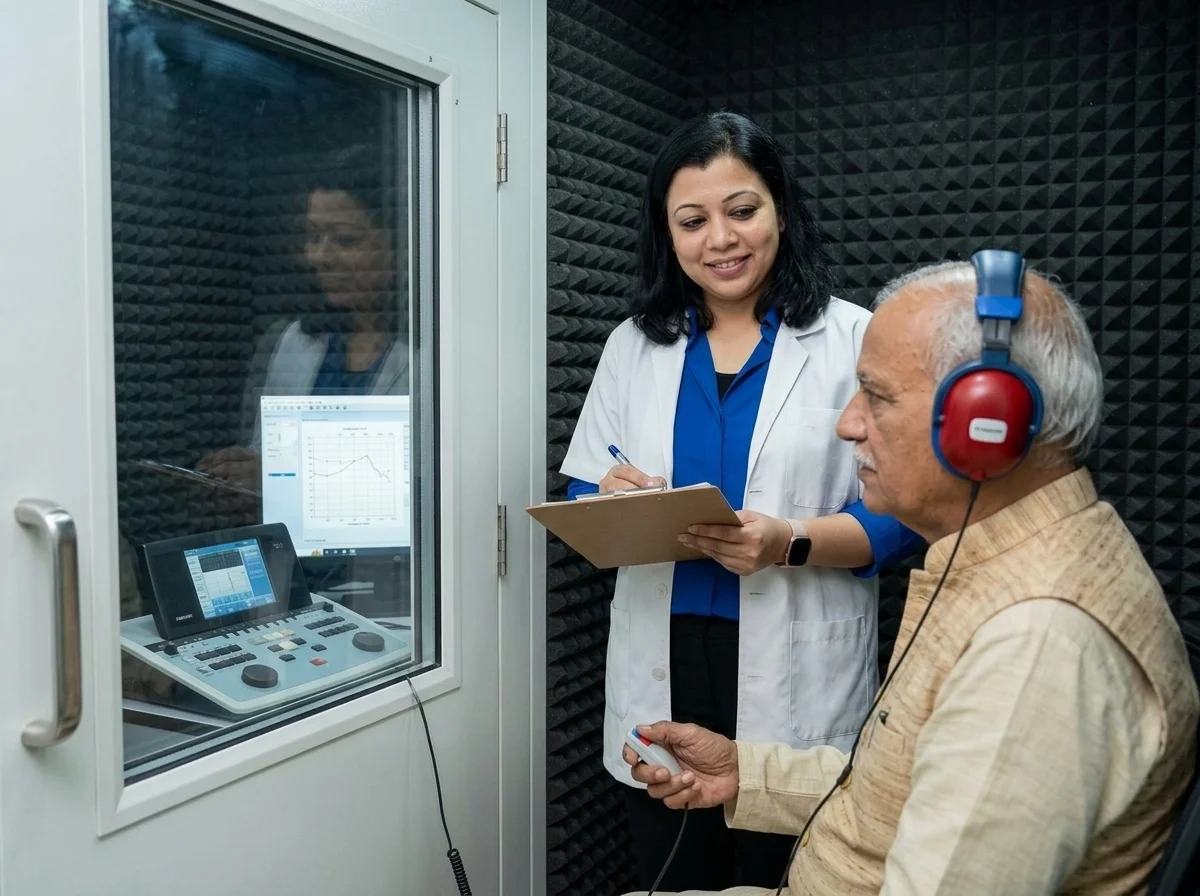
- Audiometry Check: A follow-up pure tone audiometry test is conducted after healing to evaluate hearing recovery.
When to consult an ENT specialist
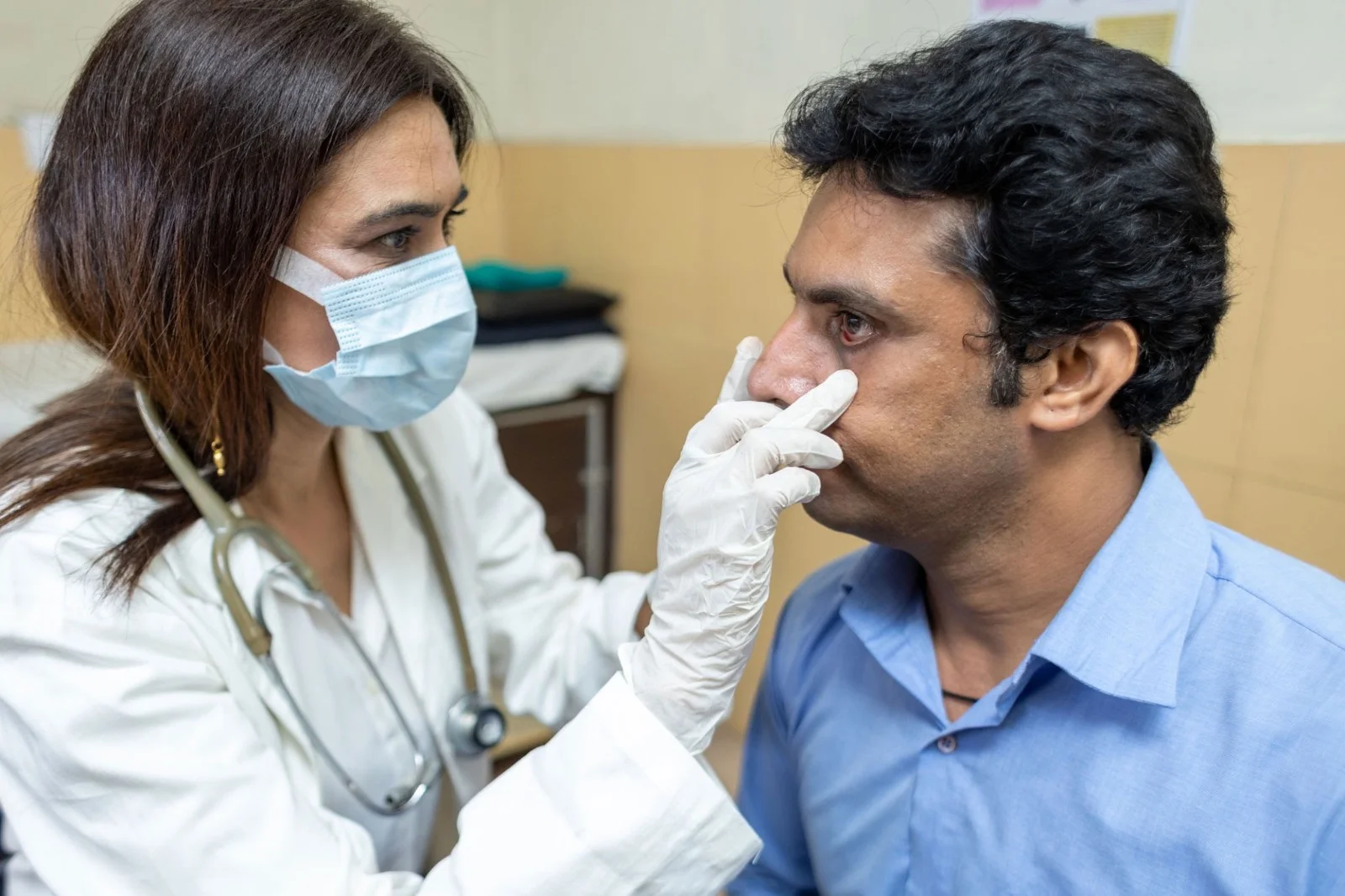
If you or your child suffer from recurring ear discharge, ear pain after swimming, or a noticeable drop in hearing following a severe cold or ear infection, schedule an otoscopic examination with an ENT specialist.
Frequently Asked Questions
What causes a hole or perforation in the eardrum?
Eardrum perforations are most commonly caused by untreated middle ear infections (suppurative otitis media), sudden trauma (such as a hard slap to the ear or barotrauma during flights/diving), or insertion of foreign objects (like cotton swabs).
How is myringotomy with grommets different from tympanoplasty?
Tympanoplasty is a surgical repair to close a hole in the eardrum using a tissue graft. Myringotomy with grommet insertion involves making a microscopic incision in an intact eardrum to drain trapped fluid and inserting a tiny ventilation tube (grommet) to equalize ear pressure, common in children with glue ear.
How should I care for my ear after eardrum repair surgery?
The single most important instruction is to keep the operated ear strictly dry. Use cotton coated with petroleum jelly while bathing, avoid swimming or water sports until approved by the surgeon, and avoid forceful nose blowing during the recovery window.
What is the hospital admission process and procedure cost?
Hospital admission arrangements, day-care stay options, graft choice, and exact procedure estimates are discussed during consultation following microscopic ear evaluation.
Consult Dr. Mitva Agarwal for eardrum repair & hearing evaluation
📅 Book Appointment 📞 Call Now 💬 WhatsApp 📍 DirectionsSame-day consultations usually available — Mon through Sun.